350: Blended – Climbing the Career Ladder: The Truth About Workplace Seniority
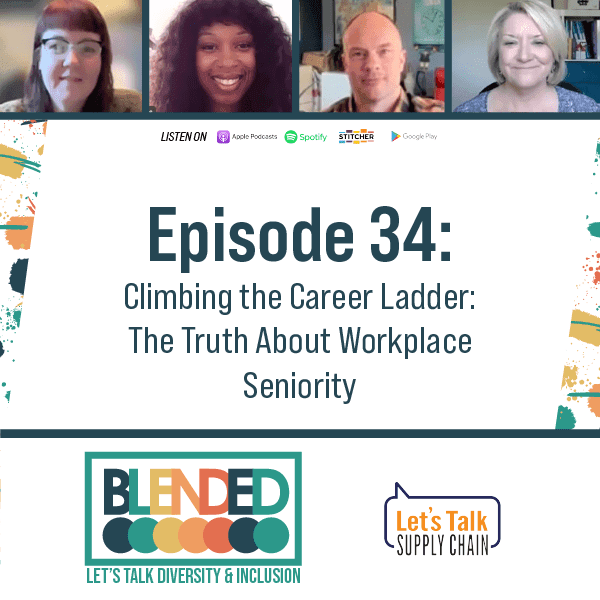
Welcome back to Blended! It’s episode 34, I’m joined by a brand new panel of inspirational professionals, and, today, we’re talking about seniority in the workplace.
Now, seniority is often the goal for many of us on our career journeys, but not everyone makes it – for a variety of different reasons. And when they do make it to the top, there can often be a negative impact on those below and, in turn, on workplace cultures and overall business success.
Today, our guests are talking all about what seniority means to them and how it differs from leadership; reflecting on how important job titles really are; discussing what both junior and senior team members can do to nurture better workplaces; and sharing their experiences of good and bad leadership.
Introductions to our Blended panelists. Cindy – CEO for xGlobl Shay – Senior Event & Program Manager at S&P Global David – Head Of Global Indirect Procurement and Supplier Diversity & Equality at Logitech Stephanie – Founder of People First Workplace
The guests discuss what seniority means to them; the difference between seniority and leadership; and their experiences of good and bad leadership. Seniority vs leadership Hierarchy Power Ego Longevity Status and rank Who is actually the best person for the job? People are often promoted because of the length of experience and not the ability to lead Active bias Hard and soft skills Innovation Capability Inspire others to lead Empower yourself to lead Stephanie’s experience of being told she only got the job because she was a woman Shay’s experience of being asked if she got the job by ‘playing the race card’ The importance of fresh thinking from the next generation The importance of vulnerability in leadership and accepting you don’t know all the answers Open communication “It should be a guide, a mentor, somebody who is experienced and commands respect because of that… but, for some people, seniority means power.” Stephanie “When you have senior people that have been promoted based on length of service, they often have really strong hard skills…. But they often don’t have the soft skills – and it’s the soft skills that are important for leadership.” Shay
The panel reflects on how different types of employment change the dynamic of seniority and leadership. Bias and discrimination around part-time workers, despite title Freelancing and gig work culture Perception of what it means to be a senior leader Companies are not set up to support project-based freelance workstyles Traditional infrastructure feeds into bias and hierarchy Responsibility of leaders Leaders as coaches Accountability Top-down approaches Role of HR to enforce culture How much can teams manage up? Anonymous reporting Impact of reporting on relationships, opportunities, and job security
The group discusses the issue of ego, power, and the weight we put on job titles. Titles should define what you do Ability to choose/contribute to your own title Titles important for responsibility and accountability Titles important for hiring/recruitment Titles linked to salary Loss of titles Impact on mental health
The panel share their ideas and solutions for creating more equitable workplaces. Reverse mentoring Asking the right questions Remembering your younger you Allowing yourself to be open Creating a people-first culture
The group sums up their thoughts from today’s discussion. “Be the leader that you want your leader to be.” Stephanie
Resources & Links Mentioned
- You can connect with David, Shay, Stephanie, and Cindy over on LinkedIn.
- If you enjoyed this episode and want to hear more inspirational conversations around diversity, equity, and inclusion why not check out 265: Blended – DEI in the Workplace – Not Just The Smart Thing To Do, But The Right Thing To Do or 323: Blended – How to Foster an Inclusive Workplace.
- Check out our other podcasts HERE.