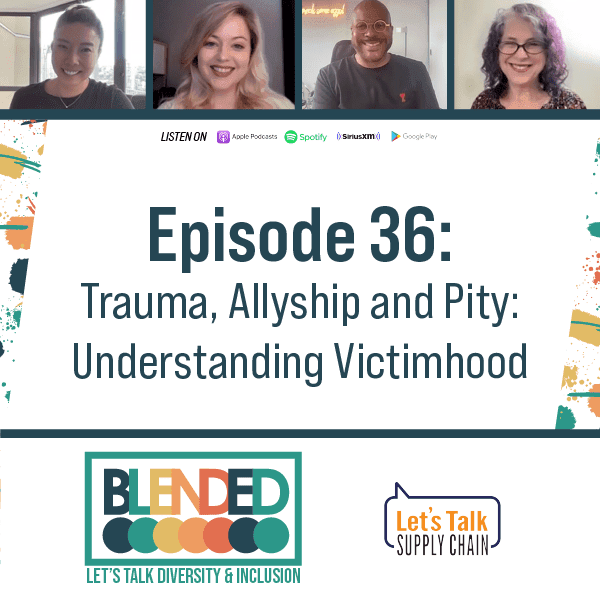
361: Blended – Trauma, Allyship and Pity: Understanding Victimhood
Welcome back to Blended! It’s episode 36, I’m joined by another new group of inspirational professionals and, today, we’re talking about victimhood.
Now, people’s experiences of being a victim are very different – some people don’t identify with the word victim at all! But it is something that’s a big part of life for many. Every year, millions of people are a victim of a crime, and millions more suffer illness or injury.
It’s safe to say that it’s an issue that we will all face in our lifetimes, in one way or another. But it’s often something people don’t talk about. Some people don’t want to be seen as a victim, and be pitied. Some people don’t want to talk about the incident that made them a victim. And, with a lack of resource and budget, some people aren’t able to access the help they need to move away from victimhood.
So, as always, Blended is here to open up conversations, provide resources, share inspiration and remind everyone that they are not alone.
Today, our guests will be talking all about what it means to be a victim; sharing their personal experiences and their impacts; reflecting on the issues of weaponizing and gatekeeping victimhood; and the common, yet unwanted, response to victimhood – pity.
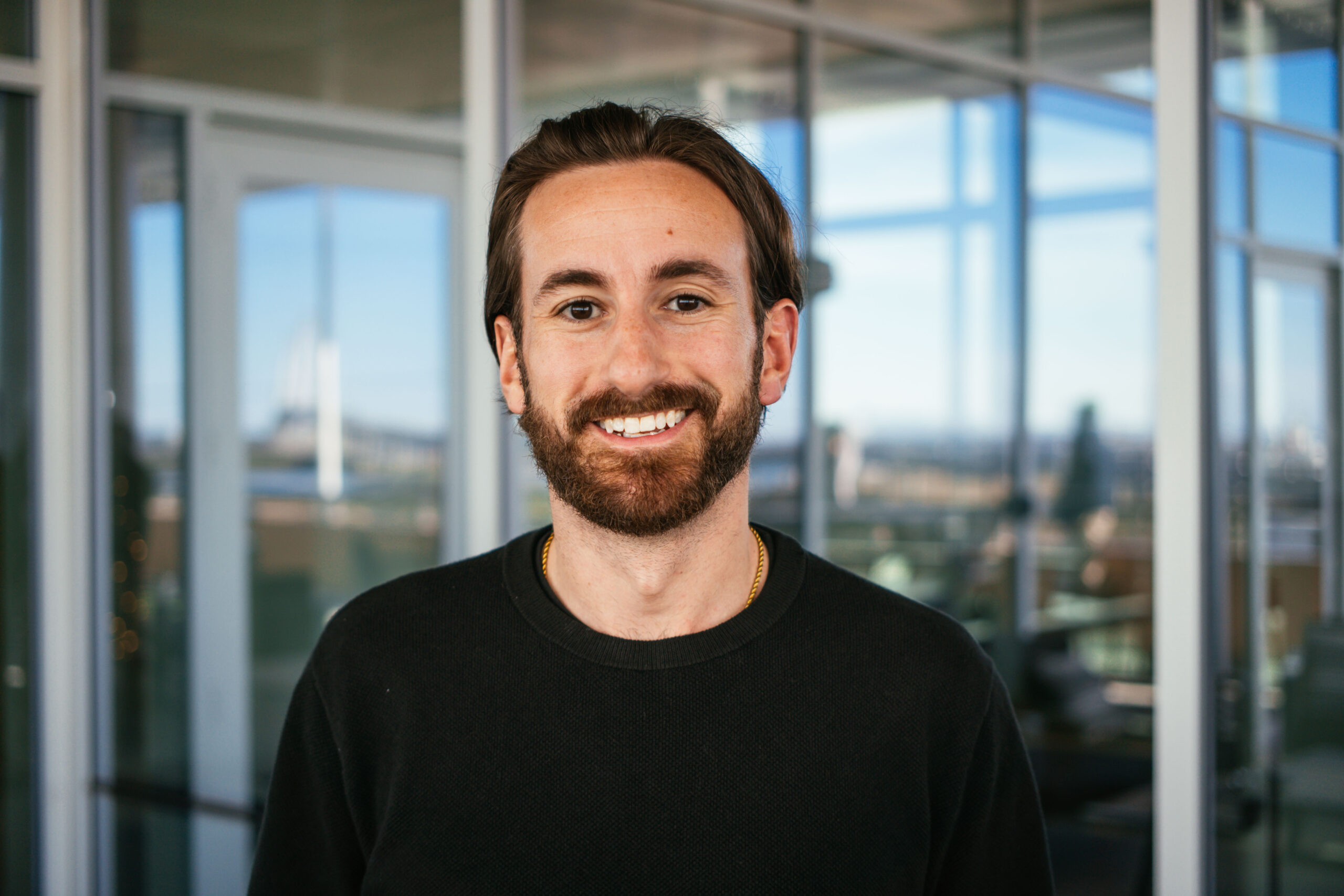
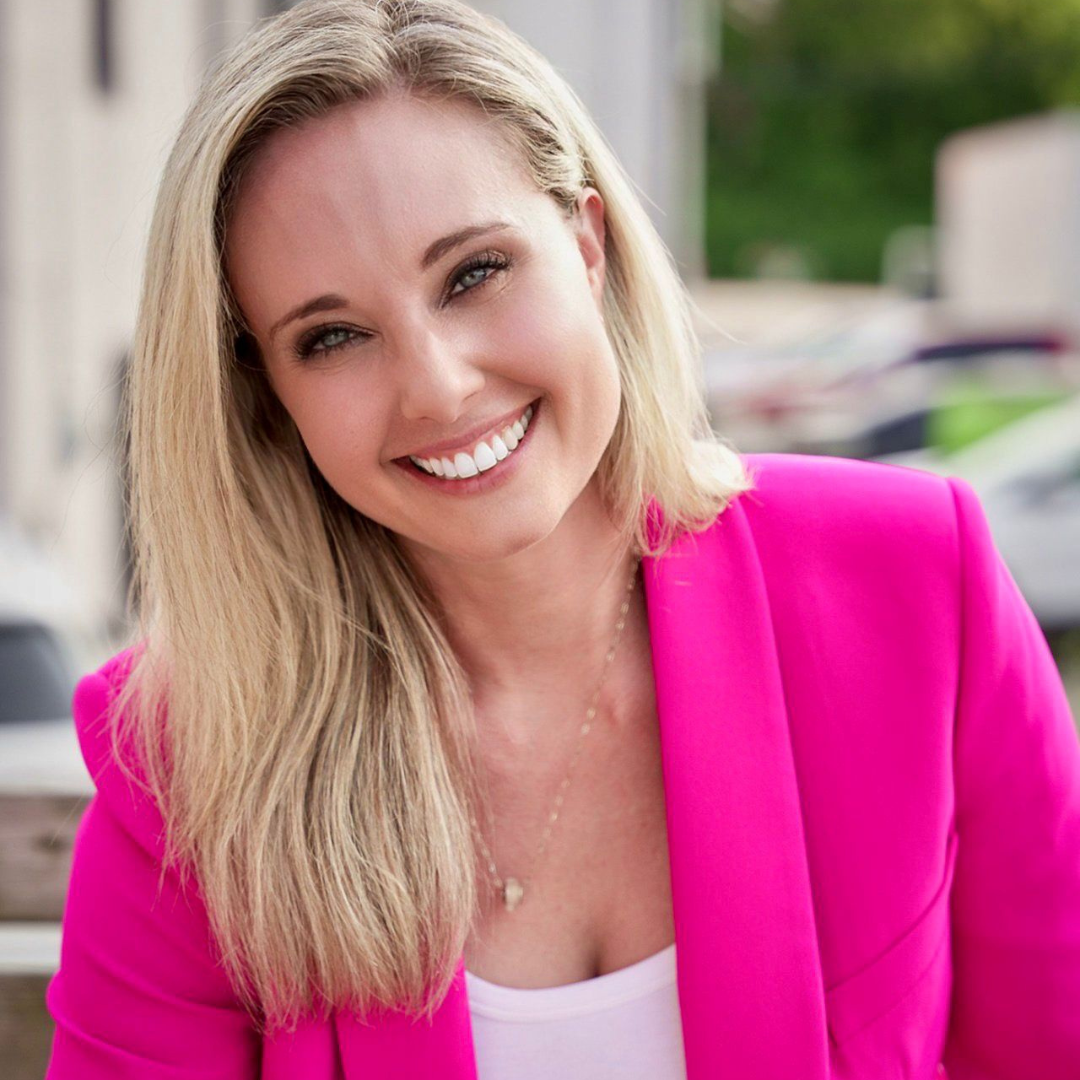
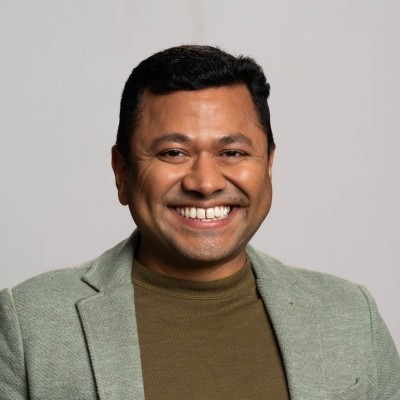
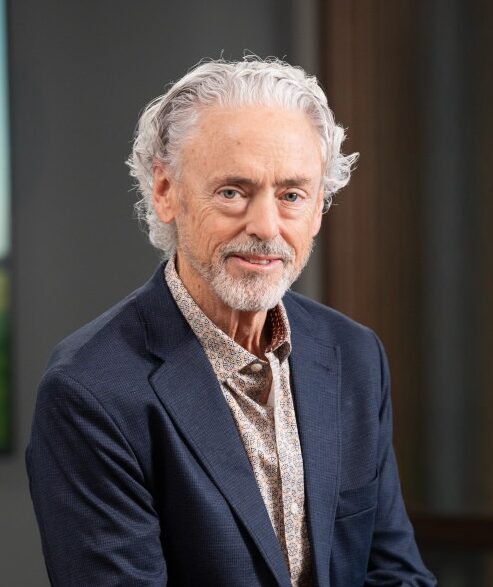
Introductions to our Blended panellists. Debra – CEO at Ruh Global IMPACT, Executive Chair at Billion Strong and host of Human Potential at Work Jefferson – Founder, CEO and Keynote Speaker at Breakfast Culture Diana – Head of Marketing at Stallion Express Kelly – Director of Recruiting at BCS Placement
The group discuss what it means to be a victim, the range of experiences that could potentially make you a victim, and the different ways people interact with their victimhood. Debra’s experience of being a victim, as a female entrepreneur and business owner, as well as of s*xual abuse Empathy Using personal experience to become a better leader, entrepreneur and person Jefferson’s experience of a racially motivated assault Keeping quiet vs speaking up about experiences of inequity Using accusations of victimhood to shut down conversations – denial/refusal to hear the truth/reality of others experiences Vulnerability vs weakness Different kinds of victimhood Discrimination and gender bias Being more open to listening and learning/teaching How understanding changes based on what we have and haven’t experienced
The panel reflect on how bias and competition in victimhood come into play. Why ‘victim’ isn’t your sole identity The word victim becoming more mainstream/misunderstood/over-used Using victimhood as an excuse Hierarchy of victimhood – bias Thinking about/treating victims differently Narcissism Responsibility Asking instead of assuming
The group share their personal experiences and stories, and discuss the different ways in which pity has been a part of their victimhood. Diana’s experience of harassment by a work colleague How victimhood can make you question yourself – am I exaggerating, will I be supported? Using your experiences to help others Different ways you can provide support Policies and procedures in the workplace Jefferson’s experience of recovering from an illness and how he left his ‘pity party’ and found positivity Debra’s experience of pity after her daughter was born with down syndrome Judgement, bias and discrimination Stereotypes Kelly’s experience of discrimination following her cheerleading career Role of social media and what you put online Impact of victimhood on sense of self Role of privilege Gatekeeping victimhood Weaponizing victimhood
The group sum-up their thoughts from today’s discussion.
Resources & Links Mentioned
- You can connect with Debra, Jefferson, Diana and Kelly over on LinkedIn.
- If you enjoyed this episode and want to hear more inspirational conversations around diversity, equity and inclusion why not check out 292: Blended – More Than Just A Buzzword: Understanding Gaslighting or 258: Blended – I Said No: Managing Sexual Harassment In The Workplace.
- Check out our other podcasts HERE.