507: Logistics Providers: Ready For An AI-First Approach? Then Discover Your Biggest Opportunity, with Google Cloud
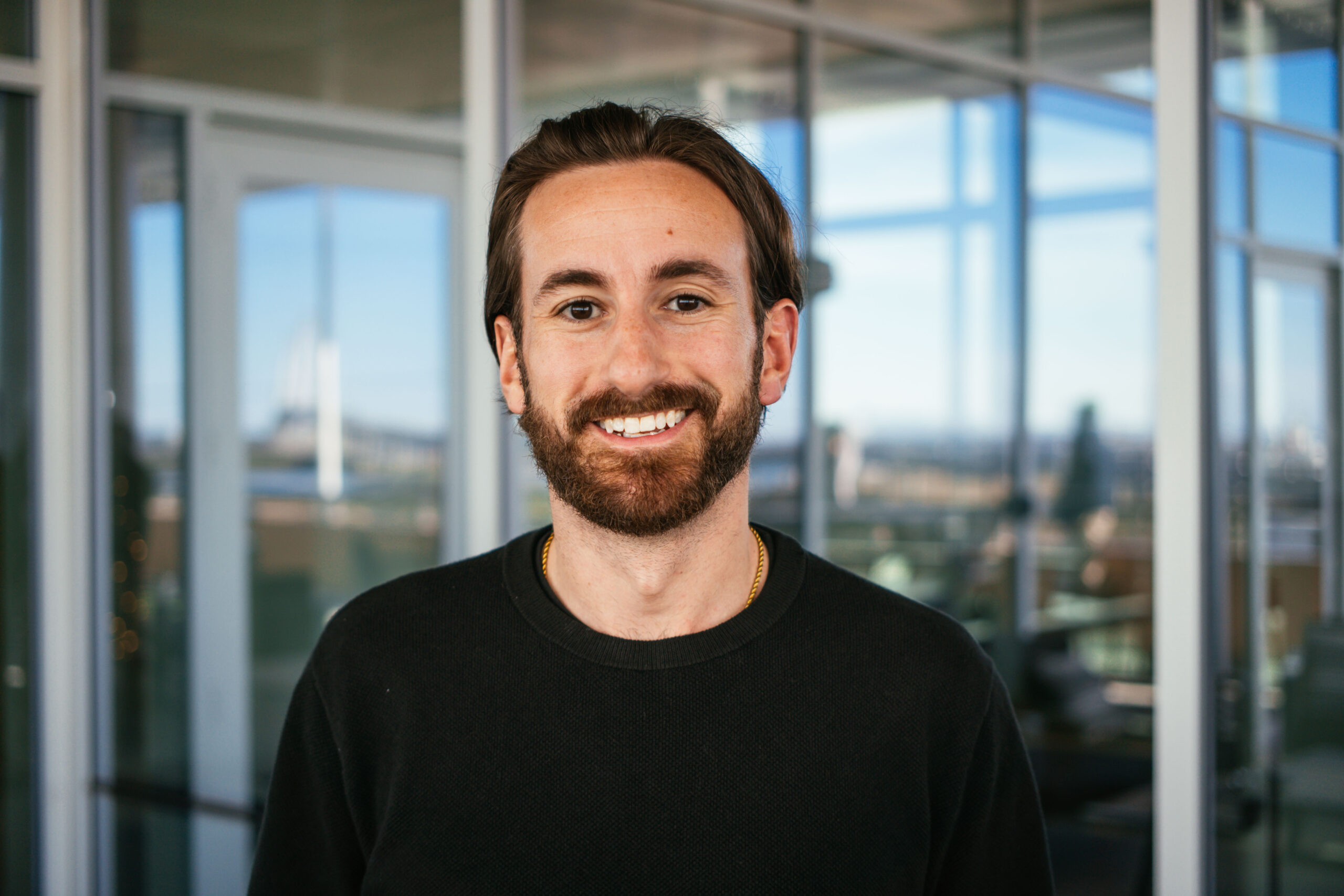
Steven Delperdang is a Technical Program Manager at Google Cloud with extensive experience in logistics from past roles at Caterpillar and Penske. He leverages a 'One Google' approach, using Google's internal supply chain as a proving ground for the same AI-powered tools offered to customers. Delperdang stresses the importance of consolidating disparate data to build trust and evolve from basic to prescriptive visibility. He shares how tools like Gemini AI are democratizing data access, allowing logistics operators to interact with complex information using natural language and shifting their focus from manual data wrangling to strategic decision-making.
Today I’m joined by a brand trusted to help enable growth and solve their customers most critical business problems: Google Cloud.
Google Cloud accelerates every organization’s ability to digitally transform its business and industry. They deliver enterprise-grade solutions that leverage Google’s cutting-edge technology, and tools that help developers build more sustainably.
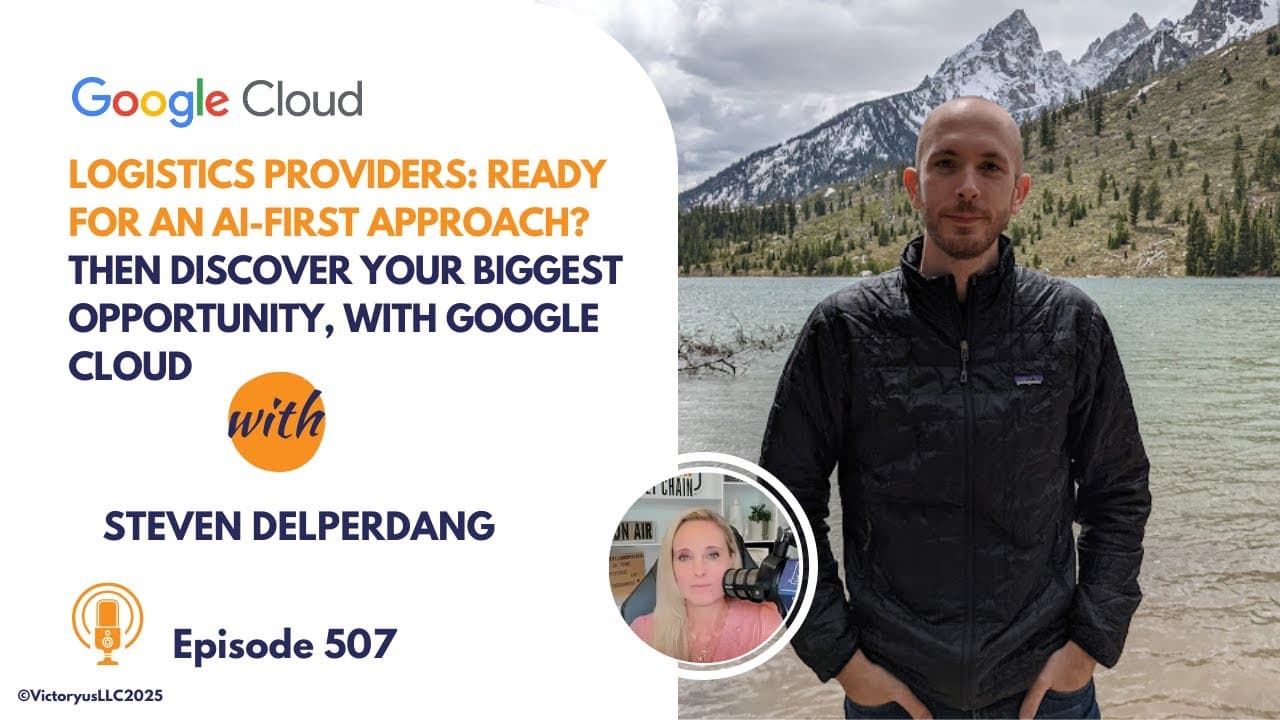
Today, Steven Delperdang, Technical Program Manager at Google Cloud, joins me to talk all about Google Cloud and how its technology helps run Google’s supply chain operations. We’ll be diving into the trustworthiness of logistics insights and taking visibility to the next level; the new ways operators can interact with logistics insights; and the biggest untapped opportunity for logistics providers ready to embrace an AI-first approach.
Guest bio:
Steven Delperdang is a Technical Program Manager at Google Cloud, where he leads the Logistics Insights team. He is at the forefront of developing AI-driven solutions to improve the accessibility, depth, and trustworthiness of logistics insights.
Before joining Google, Steven accumulated extensive experience in logistics and transportation systems. He served as an Enterprise Systems Architect at Penske Logistics, focusing on Blue Yonder Transportation Management integrations and dynamic price discovery. Prior to Penske, Steven held multiple roles at Caterpillar Inc., leading their Network Analytics and Business Intelligence team for global ground transport, earning a CEO Award in 2019 for his contributions. His career also includes experience as a Solution Architect at JDA Software (now Blue Yonder), designing and implementing Transportation Management solutions for major retail and pharmaceutical clients.
Steven holds a Bachelor of Business Administration in Distribution Management and Computer Information Systems from Baylor University, where he graduated summa cum laude.
After years spent at Caterpillar and Penske, how Steven is now using the ‘One Google’ approach to run Google’s own internal supply chain and solve the legacy pain points he faced in his past roles, and exactly what’s so transformative about this approach.
Why trust is such a big hurdle for providers who are already drowning in data, and the areas Google Cloud focus on to build that trust.
The evolution of visibility, why consolidating disparate data is so critical, and how Google is tackling disparate data problems to achieve true centralized access.
How Steven’s experience of using Google Cloud to power Google’s own global supply chain helps him strategize, and the business outcomes Google has achieved that other organizations can replicate.
The practical, day-to-day logistics problems Steven’s team is currently solving with AI.
How integrating Gemini AI has changed Steven’s tools, and why he’s seeing faster, better quality insights.
How the day-to-day work of Google Cloud’s own analysts and developers has shifted with the addition of new AI capabilities.
How Google is making high-powered AI tools usable for everyday logistics operators.
How Steven’s past award-winning work at Caterpillar would have been different if he had had the Google Cloud tools that exist today.
From hyper-personalized insights to AI-driven collaboration, the biggest untapped opportunity for logistics providers ready to embrace an AI-first approach.