Today I’m joined by QIMA, an organization that is on a mission to help their clients make products consumers can trust.
With human expertise on the ground and intelligent technology, QIMA helps businesses inspect, test, audit and certify products across consumer products, food and agrifood, cosmetics and personal care, and pharma and biotech.
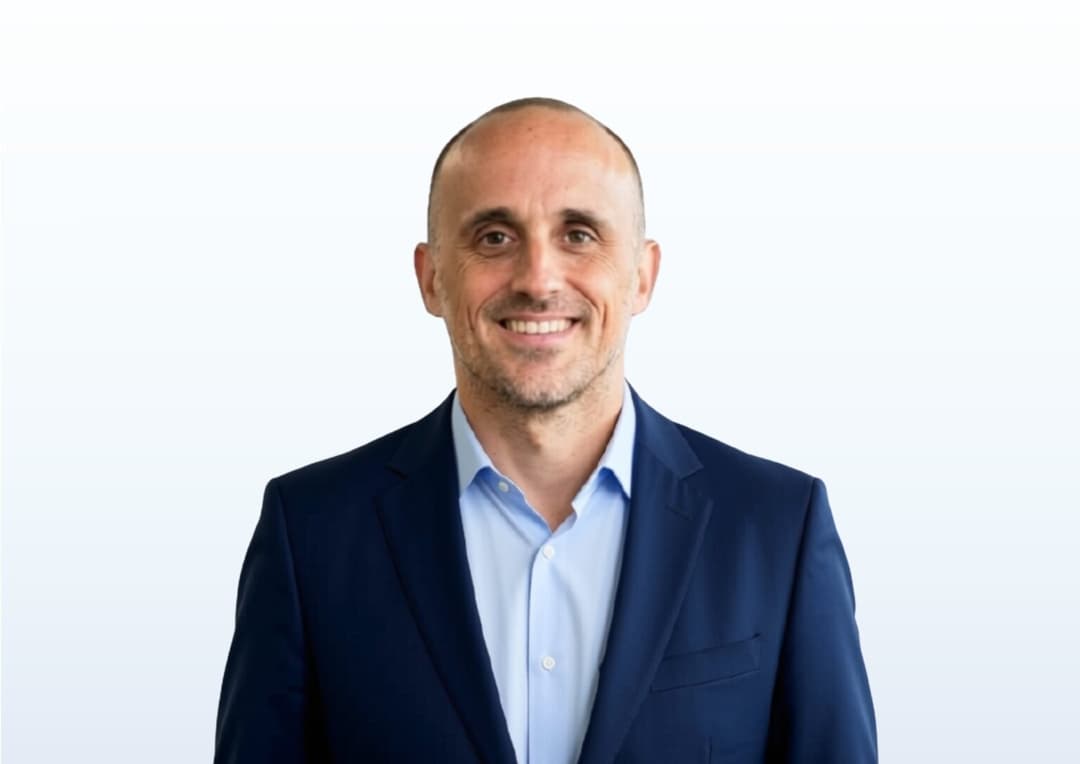
Today Stanislas Teisseire, VP of Operations for Inspections and Audits at QIMA, will be exploring how brands can navigate supply chain risk, diversify their suppliers and use technology to make smarter decisions. We’ll look at what businesses are really asking for, the challenges they face, and how the right partner can help them build more resilient supply chains and grow with confidence.
Guest bio:
Stanislas oversees QIMA’s inspection and audit operations across Consumer Products globally. He has worked closely with factories, brands, and industry bodies across the subcontinent for more than a decade. He co-founded AsiaTech QC in Guangzhou in 2007, which was acquired by AsiaInspection (now QIMA) in 2013. Over a 13-year tenure at QIMA, he has risen from Business Development Manager to VP Operations. He holds a Master’s degree in International Affairs from Emlyon Business School and a Master’s in Business from KEDGE Business School, and is based in Hong Kong.
IN THIS EPISODE WE DISCUSS:
[02.41] An introduction to Stan and his 20-year career, exploring QIMA’s evolution, growth and what the business looks like today.
[05.16] An overview of QIMA, its core services, the problem it was founded to solve, and why trust is fundamental to its business.
“We help our clients trust their supply chain, trust their suppliers, and trust the product they send to consumers. We’re trying to make quality and compliance simple.”
[09.02] What a QIMA inspection involves, the wide range of areas they assess – from equipment and product quality to hiring and pay practices – the issues they uncover, and a real-life example of how they identified a problem in a luggage factory before faulty products reached the market.
[14.12] Who QIMA’s typical clients are, the challenges they face, and what triggers businesses to seek support with quality control, compliance and supply chain assurance.
“They’re working with suppliers that are far away, with different cultures… and they need to adapt to a rapidly changing landscape.”
[17.10] The biggest risks keeping business leaders awake at night, and where they may be underestimating potential threats to their business.
“When we talk to business leaders, they worry about four things: cost and capacity, compliance and ESG, diversification, and quality.”
[20.39] Whether supplier diversification automatically creates greater supply chain resilience, how businesses should think about supplier risk, and the key factors to consider when developing an effective supplier diversification strategy.
“In theory it makes sense, but the reality says otherwise. Is a diversified business more resilient? Not necessarily.”
[22.40] How businesses can assess whether a supplier is genuinely reliable beyond what looks good on paper, and the key qualities to look for when selecting and evaluating suppliers.
[26.17] Why quality control isn’t just a final checkpoint, and what happens when you shift from reactive quality control to proactive risk management across the entire supply chain.
“The old idea of quality control is that you have an inspector at the end of the production line that’s checking your product. The trend today is to move upstream… You can find issues early, adjust processes, and fix problems that might prevent your shipment.”
[30.07] How QIMA combines technology and AI with human expertise and relationships to enhance its services, strengthen quality and risk management, and deliver on its mission of building trust.
“The relationship between QIMA and our clients will remain very important. We’ll be able to come with more insights, but the judgement will come from us.”
[32.53] How businesses at different stages of digital maturity can take practical steps to better manage suppliers, understand risk, and move from fragmented spreadsheets and data towards greater visibility, control and connected processes.
[34.45] A case study showing how QIMA partnered with a global footwear brand to develop a shared quality-control methodology, helping them understand and manage production risks, adapt QIMA’s level of involvement as needed, and ultimately build the capability to manage quality independently using consistent data and processes to drive continuous production improvement.
[38.51] What differentiates proactive businesses that successfully manage supply chain risk from those constantly reacting to problems.
“It’s all about how they use the data to manage the risk.”
[40.28] The practical steps brands and manufacturers can take to improve their supplier risk management, and how QIMA can support them in building a more proactive, effective and resilient approach.
“If you’re an importer, you need to ask yourself three questions.”
RESOURCES AND LINKS MENTIONED:
Head over to QIMA’s website now to find out more and discover how they could help you too. You can also connect with QIMA and keep up to date with the latest over on LinkedIn, Instagram, Facebook, X (Twitter) or YouTube, or you can connect with Stanislas on LinkedIn.
Check out our other podcasts HERE.