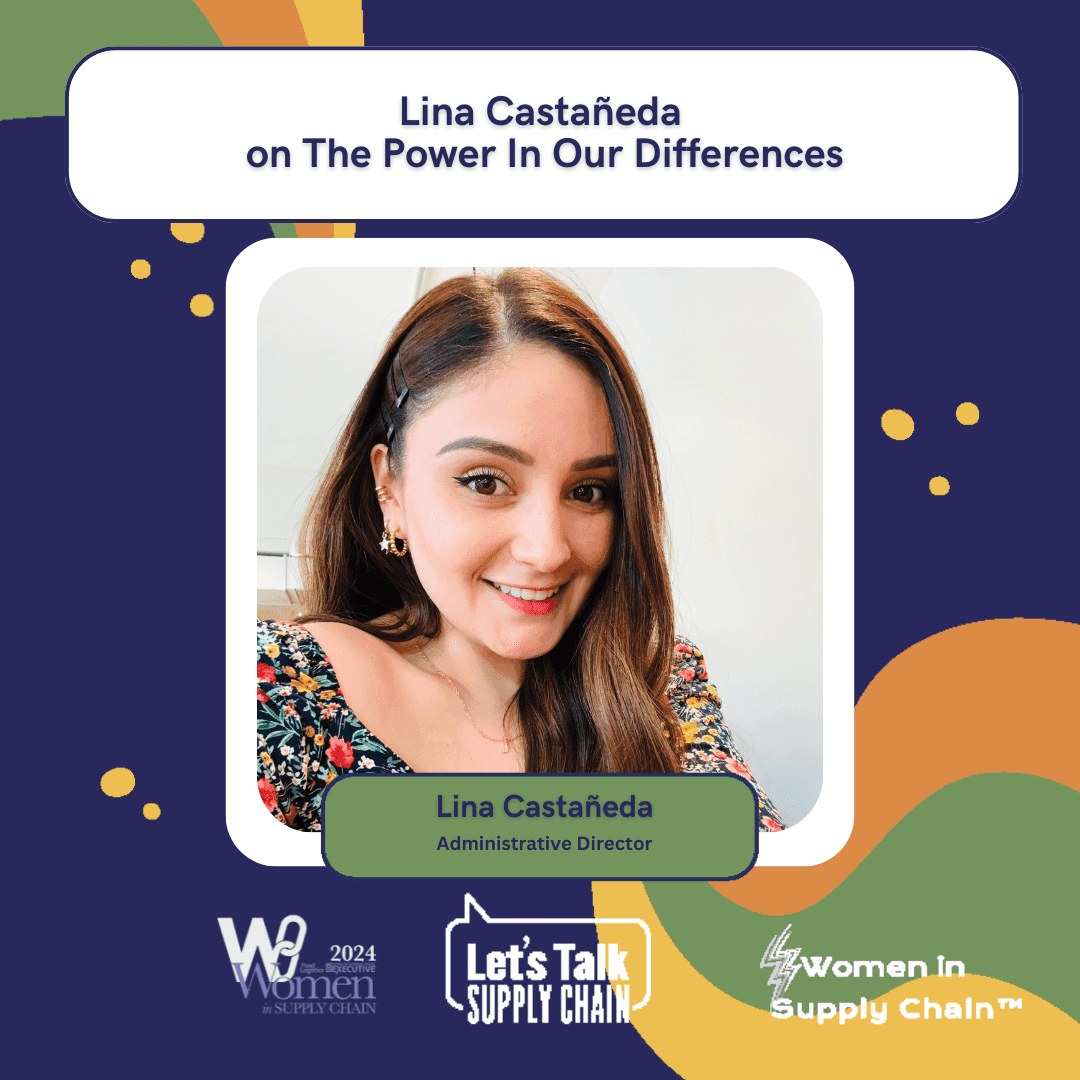
Lina Castaneda talks about the power in our differences
As we look back at supply chain management over the last year—whether you’re in logistics or manufacturing—there are signs of progress we can all be thankful for. The COVID-19 pandemic sent shockwaves across supply chains, highlighting regional dependencies and labor shortages. These disruptions continued through record climate events and global inflation. But, looking back we can see major improvements over the early 2020s, with supply chain organizations making major resiliency, agility, and sustainability gains through technology and new sourcing approaches. That’s because we’ve learned from recent years just how critical it is to minimize risk with the right systems and resources.
So, when we reflect on gratitude for the progress we’ve made over the last year, we think about supplier diversification, nearshoring and regionalization, and increased flexibility and efficiency. These steps forward have built some extra protection to protect supply chains from fresh disruptions while maintaining momentum.
Diversifying suppliers has been a major shift over the last few years with organizations moving away from reliance on centralized manufacturing and single-source suppliers. Instead, companies are building increasingly diversified strategies with multiple suppliers to limit their regional and partner dependencies. These moves away from relying on suppliers in specific regions can come in handy with ongoing geopolitical and climate shifts. Brands like Steve Madden are already pivoting production plans to prevent increasing costs in the new year.
More organizations are still evaluating nearshoring and regionalization strategies. These supply chains benefit from moving production close to home—localizing manufacturing along with supply sources. This year, businesses limited major disruption risks by alleviating the clash of regional conflicts and global bottlenecks.
We can be thankful for the major increase in adaptability and agility supply chains have seen across industries. Newer models enable organizations and their supply chains to shift seamlessly with economic, climate, and political disruptions.
And perhaps most notably, we can be thankful for the number of women in the ranks increasing in supply chain. Gartner’s annual “Women In Supply Chain™” survey found that Women In Supply Chain™ now represent 41% along with a boost in C-suite roles topping 25%. These big jumps from recent years show the progress women are experiencing and creating across the chain.
A Let’s Talk Supply Chain, we are thankful and proud of these leaps forward for women across the industry. Our Women In Supply Chain™ program, blog, and podcast series continue highlighting the impact of that expansion in gender representation to empower the achievements of women leaders and our nonbinary peers. We want our Women In Supply Chain™ blog series to inspire you, so, you never let traditional gender roles get in the way of your dreams or your ability to make a profound and deliberate impact.
It’s with deep gratitude that we showcase Lina Castaneda’s supply chain journey, insights, and achievements. Lina is the Chief Customer Officer at Tai Software, a SaaS company serving the freight industry. She boasts over a decade of customer experience and strategy, empowerment, service delivery, technical support, and quality assurance experience.
Lina is a Certified ScrumMaster® (CSM®) and Certified Scrum Product Owner® (CSPO®). She consistently applies these agile methodologies and principles to optimize the performance and satisfaction across Tai Software’s customers and teams. She is committed to creating value and solving problems through innovation and collaboration.
Meet Our Sponsor
Women In Supply Chain™ is an online community with the sole purpose of providing women in our industry with consistent support and opportunities, all year long.
Elevate Your Career with Women In Supply Chain™!
Join a groundbreaking industry initiative that goes beyond networking. Women In Supply Chain™ is a diverse collective of professionals fostering growth, deep connections, and career development.
What you get:
- 3-hour Introductory Call
- Monthly Live Calls with a Professional Facilitator
- Access to a Private Online Community
- Women In Supply Chain™ T-Shirt
- FREE Access to The Supply Chainers ($175 Value)
Investment:
$1,000 deposit + $100/month membership Learn more + join here.
Take your future into your own hands & ask your company to add this to your professional development budget. Reach out to hello@
Spaces are going fast– Don’t miss out on this transformative opportunity!
Food Logistics and Supply & Demand Chain Executive’s Women In Supply Chain™ award, sponsored by Let’s Talk Supply Chain podcast and Blended Pledge project, honors female supply chain leaders and executives whose accomplishments, mentorship, and examples set a foundation for women in all levels of a company’s supply chain network.
About the Author

Naomi Sylvian is a content marketing leader with more than 17 years of experience, and the editor of Let’s Talk Supply Chain™’s Women In Supply Chain™ series. Her works have appeared on Forbes, Mashable, Business Insider, The Muse, and Yahoo, and have been mentioned by The New York Times Online. Naomi mentors at-risk teens to fight recidivism and contribute on a local level, working with the Arizona Department of Juvenile Corrections. Subscribe to her LinkedIn newsletter, The Chain Explained, for all things Supply Chain broken down with as many pop-culture references as possible, or view her marketing portfolio online.