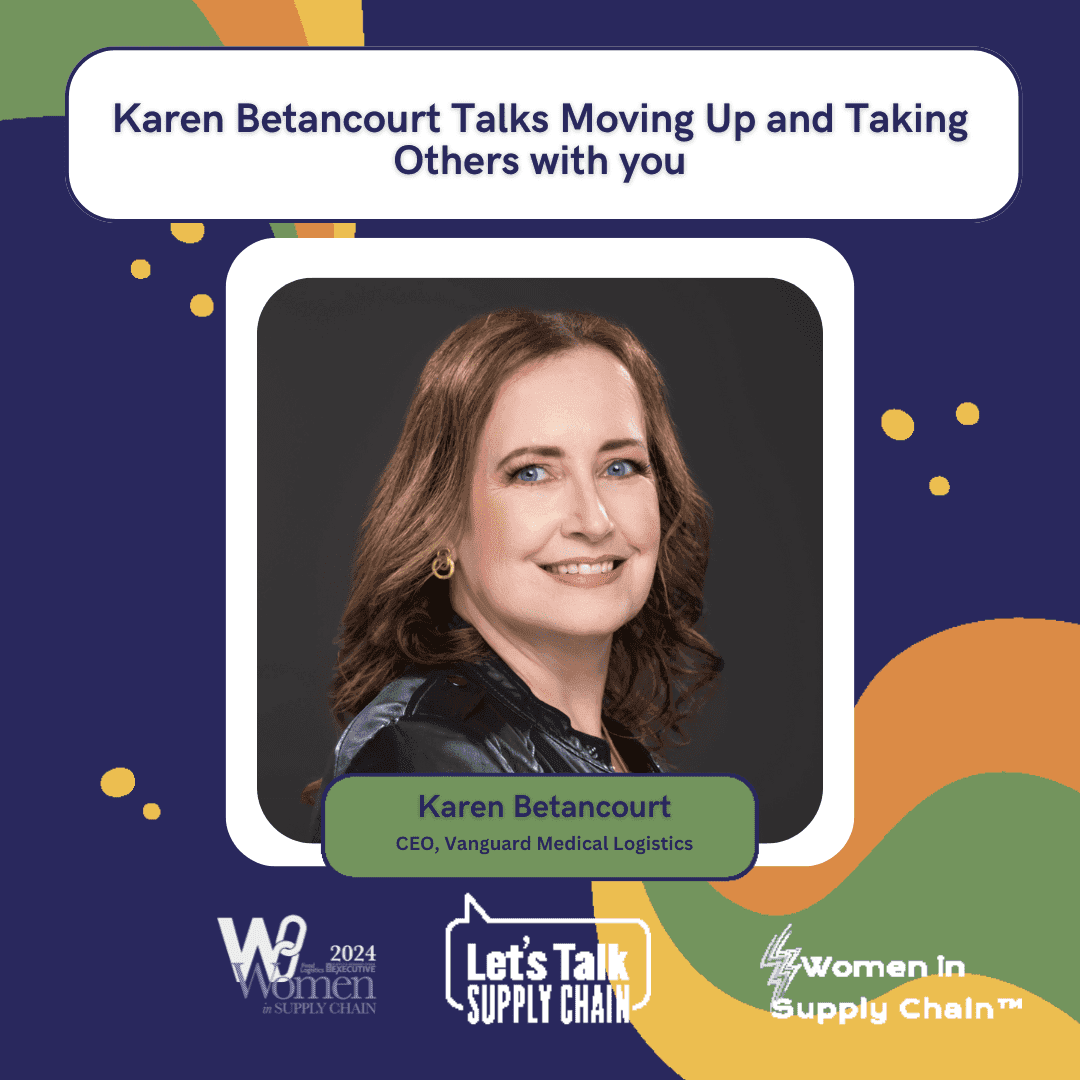
Karen Betancourt talks moving up and taking others with you
Hurricane Milton has disrupted Florida’s logistics networks, impacting everything from road and rail transportation to portal operations. The storm has fueled effects that may disrupt industries for weeks or even months. Understanding how the industry can rebound means looking back at how logistics teams have tackled disruptions in the past and proven recovery plans.
Florida’s ports can massively disrupt the entire global logistics network, especially for petroleum imports, construction materials, and consumer goods. Hurricane Milton closed key ports, including Tampa Bay, Jacksonville, and Manatee. These closures paused the movement of essentials across the chain. Gaps have blocked the transfer of fuel, and construction delays for necessities like cement and steel. Milton is delaying shipments headed to the southeast and beyond. That means navigating obstacles and lagging lead times, redirecting the flow of goods to Georgia, South Carolina, and Alabama
Tampa Bay and other major ports could be closed for over a month before receiving large cargo ships. However, there are some positives. Ports Everglades and Miami should be back to business as usual in the next two weeks.
So, how can business leaders respond to unprecedented climate disruptions expected to only increase over time? According to McKinsey, organizations with diversity of thought are 35% more likely to outpace their competitors which comes in handy in the most challenging situations.
Let’s Talk Supply Chain’s Women In Supply Chain™ program, blog, and podcast series showcase the impact of expanding gender representation and supporting the advancement of female leaders and our nonbinary peers. We hope our Women In Supply Chain™ blog series motivates you to let go of traditional gender roles so you can make profound, deliberate achievements that are uniquely you.
This October, we’re honored to highlight Karen Betancourt’s experience, insights, and accomplishments. Karen is the Vanguard Medical Logistics CEO. She’s dedicated herself to logistics and supply chain management for over two decades, leading nuanced and complicated projects with multiple stakeholders. Karen has spearheaded major software advancements to redefine operations. She’s on a mission to fuel powerful outcomes without compromising quality. Karen boasts a bachelor’s degree in Management and Operations and an MBA in Business Administration Finance.
Meet Our Sponsor
Women In Supply Chain™ is an online community with the sole purpose of providing women in our industry with consistent support and opportunities, all year long.
Elevate Your Career with Women In Supply Chain™!
Join a groundbreaking industry initiative that goes beyond networking. Women In Supply Chain™ is a diverse collective of professionals fostering growth, deep connections, and career development.
What you get:
- 3-hour Introductory Call
- Monthly Live Calls with a Professional Facilitator
- Access to a Private Online Community
- Women In Supply Chain™ T-Shirt
- FREE Access to The Supply Chainers ($175 Value)
Investment:
$1,000 deposit + $100/month membership Learn more + join here.
Take your future into your own hands & ask your company to add this to your professional development budget. Reach out to hello@
Spaces are going fast– Don’t miss out on this transformative opportunity!
Food Logistics and Supply & Demand Chain Executive’s Women In Supply Chain™ award, sponsored by Let’s Talk Supply Chain podcast and Blended Pledge project, honors female supply chain leaders and executives whose accomplishments, mentorship, and examples set a foundation for women in all levels of a company’s supply chain network.
About the Author

Naomi Sylvian is a content marketing leader with more than 17 years of experience, and the editor of Let’s Talk Supply Chain™’s Women In Supply Chain™ series. Her works have appeared on Forbes, Mashable, Business Insider, The Muse, and Yahoo, and have been mentioned by The New York Times Online. Naomi mentors at-risk teens to fight recidivism and contribute on a local level, working with the Arizona Department of Juvenile Corrections. Subscribe to her LinkedIn newsletter, The Chain Explained, for all things Supply Chain broken down with as many pop-culture references as possible, or view her marketing portfolio online.