In the volatile landscape of global trade, the specter of tariff uncertainty looms larger than ever, casting a shadow of doubt and disruption over supply chains worldwide. As businesses navigate these turbulent waters, the stakes have never been higher, with the potential for unforeseen risks and challenges at every turn. in this article, we delve into the evolving landscape of supply chain risk amidst ongoing tariff ambiguity, shedding light on the complexities and implications for businesses in today’s interconnected world.
Overview of Supply Chain Risk Amid Tariff Uncertainty
Amid the ongoing uncertainty surrounding tariffs, the supply chain landscape is becoming increasingly precarious for businesses worldwide. The fluctuating trade policies and geopolitical tensions have created a volatile environment, leading to a surge in supply chain risks.
This uncertainty has prompted companies to reevaluate their sourcing strategies, optimize inventory management, and explore alternative transportation routes. Key implications include:
- Increased costs due to tariff adjustments
- Disruptions in supplier relationships
- Shifts in production locations

Impact on Global Trade and Economic Stability
In today’s volatile global trade landscape, the specter of ongoing tariff uncertainty looms large, casting a shadow of doubt over supply chain stability. The escalating trade tensions between major economies have created a ripple effect, amplifying supply chain risks and injecting a sense of unease into the business world. As tariffs continue to fluctuate and trade agreements hang in the balance, businesses are grappling with the fallout, navigating a landscape fraught with uncertainty and complexity.
Amid this backdrop of economic turbulence, the interconnected nature of global trade has become more apparent than ever. disruptions in one part of the world can reverberate across continents, impacting not just individual businesses but the broader economic stability. from shifting consumer preferences to logistical challenges, businesses are facing a myriad of obstacles that are testing their resilience and adaptability. As they strive to mitigate risks and safeguard their supply chains, the need for proactive strategies and contingency plans has never been more pressing.

Strategies to Mitigate Supply Chain Disruptions
The ongoing uncertainty surrounding tariffs has considerably increased the risk of supply chain disruptions for businesses worldwide. In light of this challenging environment, implementing effective strategies to mitigate these disruptions is crucial for maintaining operational efficiency and safeguarding against potential losses.
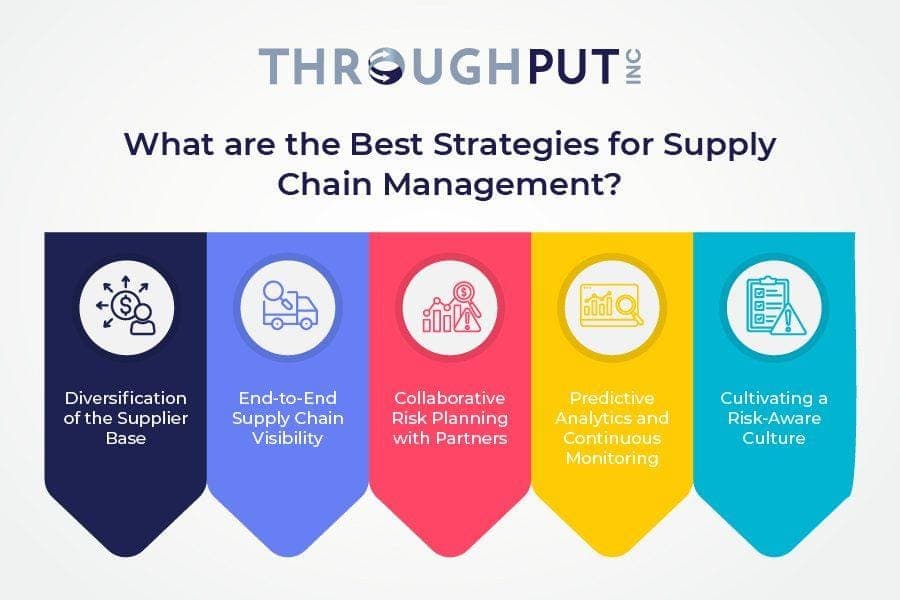
Key strategies to address and minimize the impact of supply chain disruptions include:
- Diversifying suppliers: Establishing relationships with multiple suppliers across different regions can help buffer against disruptions in one particular area.
- Enhancing Transparency: implementing robust tracking and monitoring systems to gain better visibility into the supply chain can enable proactive decision-making in response to potential disruptions.
- Building Resilience: Developing contingency plans and alternative sourcing options can enhance the resilience of the supply chain against unforeseen events.

Collaborative Approaches for Resilient Supply Chains
Collaborative approaches in supply chain management have become crucial in navigating the challenges posed by the ongoing tariff uncertainty. With global trade dynamics constantly evolving, businesses are increasingly turning to collaborative strategies to build more resilient and adaptive supply chains.By fostering partnerships and sharing expertise, organizations can better anticipate and mitigate supply chain risks.
Key Benefits of Collaborative Approaches:
- Enhanced risk management capabilities
- Increased supply chain versatility
- Improved operational efficiency
Successful Case Study:
In a landscape marked by uncertainty, collaboration emerges as a key differentiator for organizations seeking to build resilient supply chains and drive enduring growth.
The Conclusion
As businesses navigate the complex landscape of global trade in the face of ongoing tariff uncertainty, the growing supply chain risks demand a strategic approach to mitigate potential disruptions. With careful planning and proactive measures, organizations can safeguard their operations against the fluctuating tides of international trade policy. Stay tuned for the latest developments in supply chain management and trade dynamics to stay ahead of the curve in these uncertain times.