392 – Blended: Preference vs Bias: What’s The Difference?
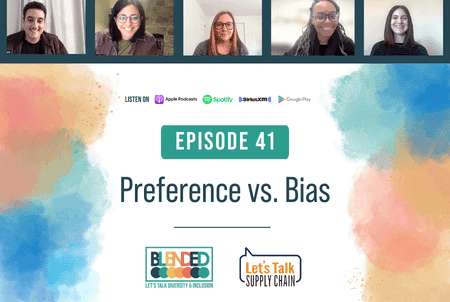
Welcome back to Blended! It’s episode 41, I’m joined by a new panel of professionals who are ready to be open, honest and challenge themselves with, sometimes tough, conversations. And, today, we’re talking about preference vs bias.
We’ve talked a lot about bias on the show, whether it be gender, race, or class. But, equally, we talk a lot about personal choice, autonomy, and the importance of following our own paths. And, in that space, falls preference. You prefer to work from home because it suits your life better; you prefer to work with particular people because you know your personality or work ethic aligns.
But what happens when the two start to overlap and the line gets blurred? When does a preference become a bias? How do you spot it? And what can you do about it?
It’s complicated, but we’ll be diving into those big questions today.
Our guests will be talking about what bias means and how it differs from preference; the role experience has on personal bias; if bias is always a negative; and the ways that we can tackle bias in ourselves and within our communities.
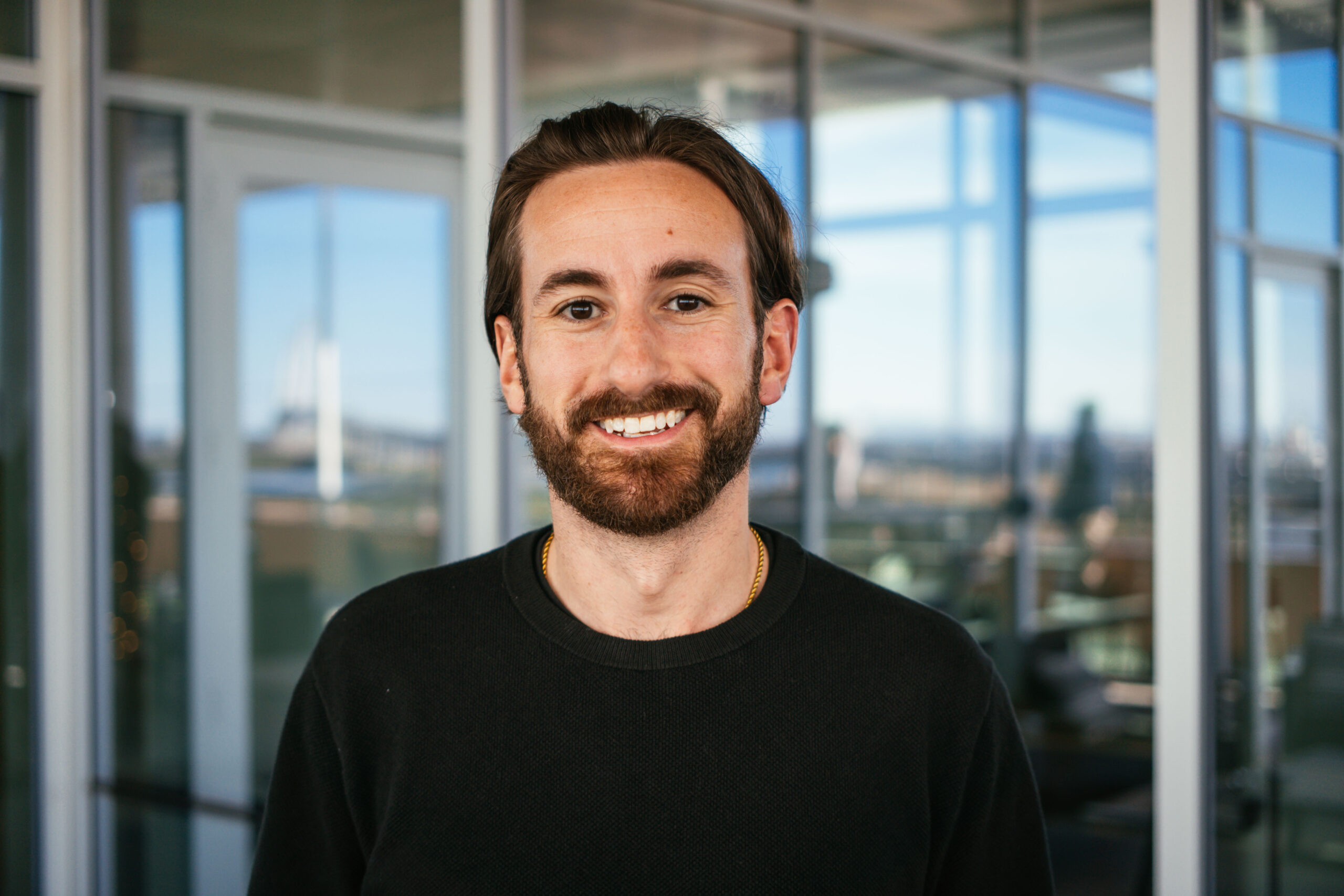
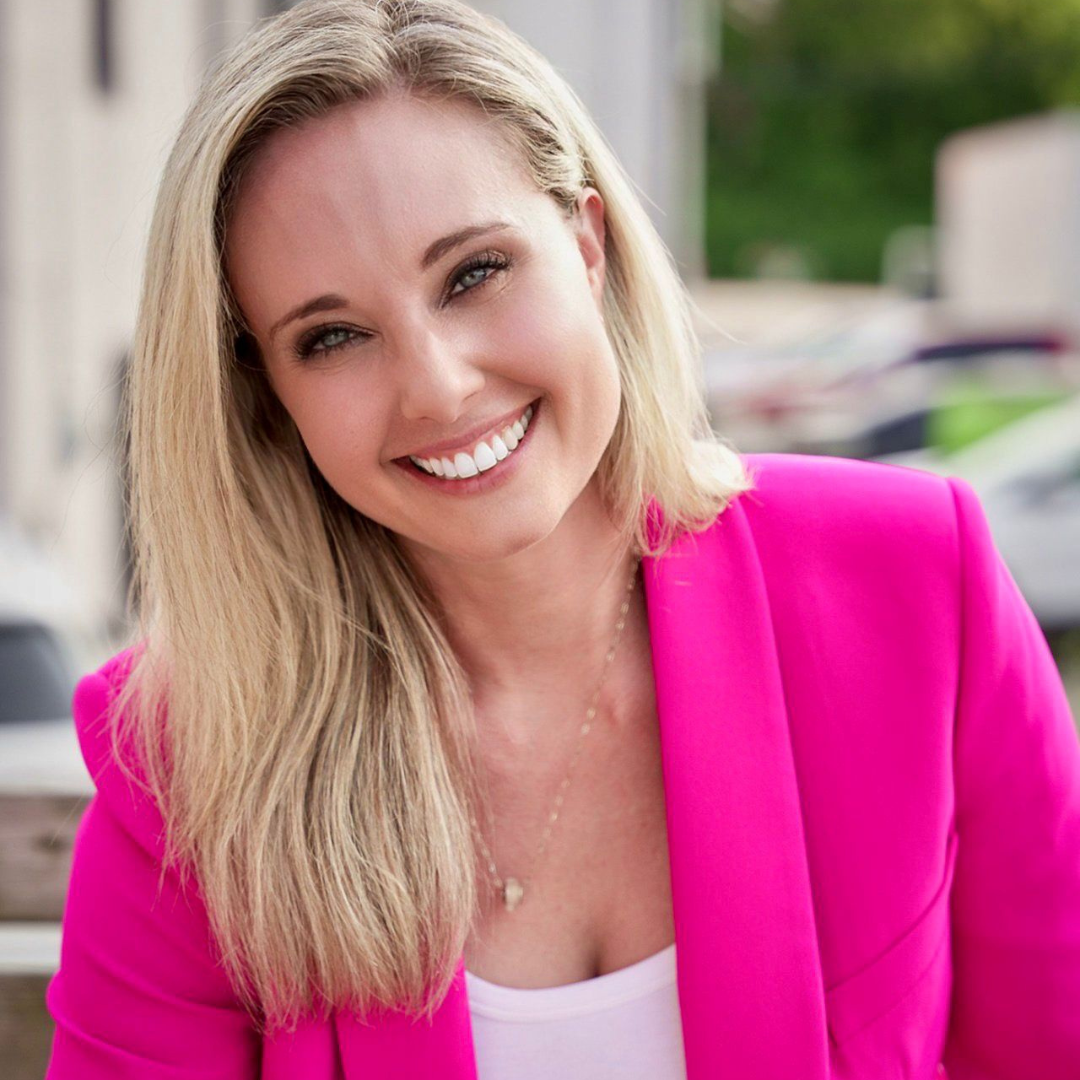
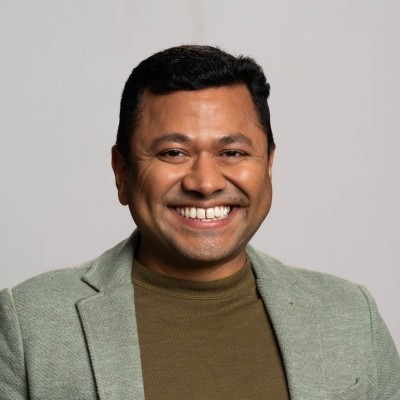
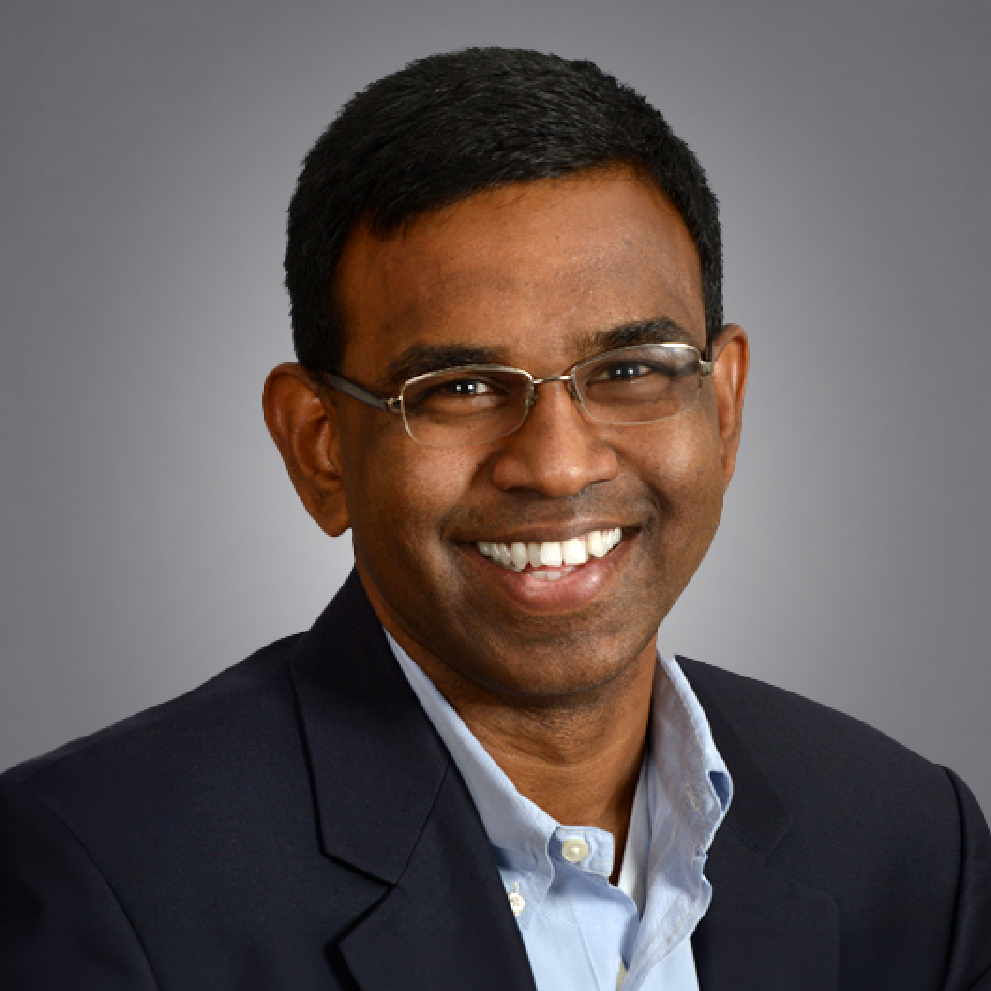
Introductions to our Blended panelists. Katie – SVP of Industry Relations and Strategic Initiatives at Manifest Samantha – VP of Commercial Operations at Fleetzero George – Senior Communications Specialist at Blume Global Kate – Supply Chain Management and Marketing Student at the University of Arkansas Reema – Founder of People of Data
The group discusses bias and preference – what they mean, the difference between the two, and when preference becomes a bias. Learned behavior Bias as negative, preference as positive Impact of bias Preference becoming bias Remaining objective Being open-minded “We hear about AI having a lot of bias, and therefore it’s not inclusive of certain people, groups or categories of information… data is created by humans… and the challenge then comes with the fact that we inherently, as a species, create bias in how we move through the world.” Reema
The panel shares personal stories; discusses the impact of past experience on bias; and debates real-life examples: if you have a choice between a male and a female doctor, and you choose the female doctor, is that a preference or a bias? Intent Challenging yourself Self-awareness Impact of trauma Mental health Grace Empathy Unconscious bias Being willing to correct bias Allyship Hiring practices Immediate vs prolonged bias Self-disclosure Bias you can see vs bias you can’t Discrimination Assumptions “Our past creates our lens of perspective. We all wear metaphorical glasses and they are tinted with our perspective, our past history, our trauma. And that’s OK, as long as you’re willing to take off your glasses every now and then.” Samantha
The group discusses where unconscious bias fits in, and whether bias is always a negative. Stigma Is it possible to act without bias? Positive bias Awareness The constant evolution of bias Working to be better Backgrounds “If it starts to impact your judgement, business decisions or your personal relationships, that’s when the bias starts to become negative.” Katie
The panel shares ideas and solutions for tackling bias and evaluating personal preferences. Questions to ask ourselves Personal journeys Holding ourselves accountable Acknowledging bias Working to understand bias Being kind to ourselves Pushing yourself out of your comfort zone Shame triggers The energy it takes to change people’s minds/fight biases Personal responsibility What you say vs how it’s received The ‘why’ behind a bias Meeting people where they are Bridging gaps
The group sums up their thoughts from today’s discussion.
Resources & Links Mentioned
- You can connect with Katie, Reema, Samantha, Kate, and George over on LinkedIn.
- If you enjoyed this episode and want to hear more conversations around bias, listen to 334: Blended – Education: The Last Socially Acceptable Bias, 252: Blended – Hiding in Plain Sight: The Reality of Workplace Discrimination, or 220: Blended – Immigration and Identity.
- Check out our other podcasts HERE.