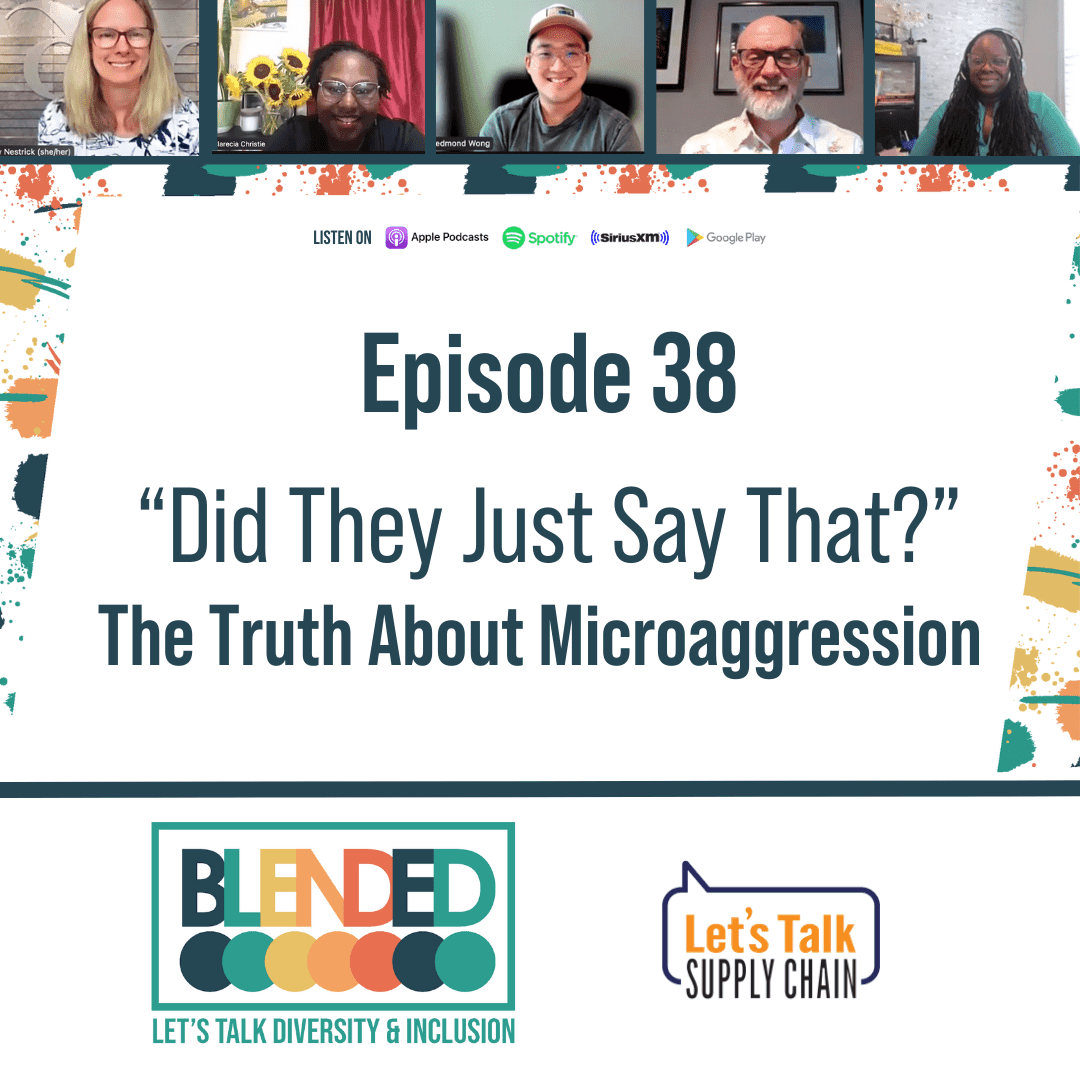
375 – Blended: ‘Did They Just Say That?’ The Truth About Microaggression
Welcome back to Blended! It’s episode 38, we are once again joined by a fresh new panel of inspirational professionals, and today, we’re talking about microaggression.
It’s a term you’re sure to have heard. First used around 1970 by Harvard psychiatrist, Dr. Chester Pierce, it initially described the regular insults and dismissals he witnessed, from non-black people towards the black community. But professors and social scientists have gone on to examine the concept more closely and expand our understanding of microaggressions, detailing how they also impact religious groups, gender identities, those who are living with disabilities, and the LGBTQIA+ community.
So it’s really an important part of the conversations we need to have around diversity, equity, and inclusion. Microaggressions are a part of exclusionary practices and behaviors, but they can often fly under the radar, especially in the workplace.
Today, our guests will be talking about what microaggressions actually are; sharing their personal experiences; reflecting on how to identify them; and, most importantly, how to tackle them.
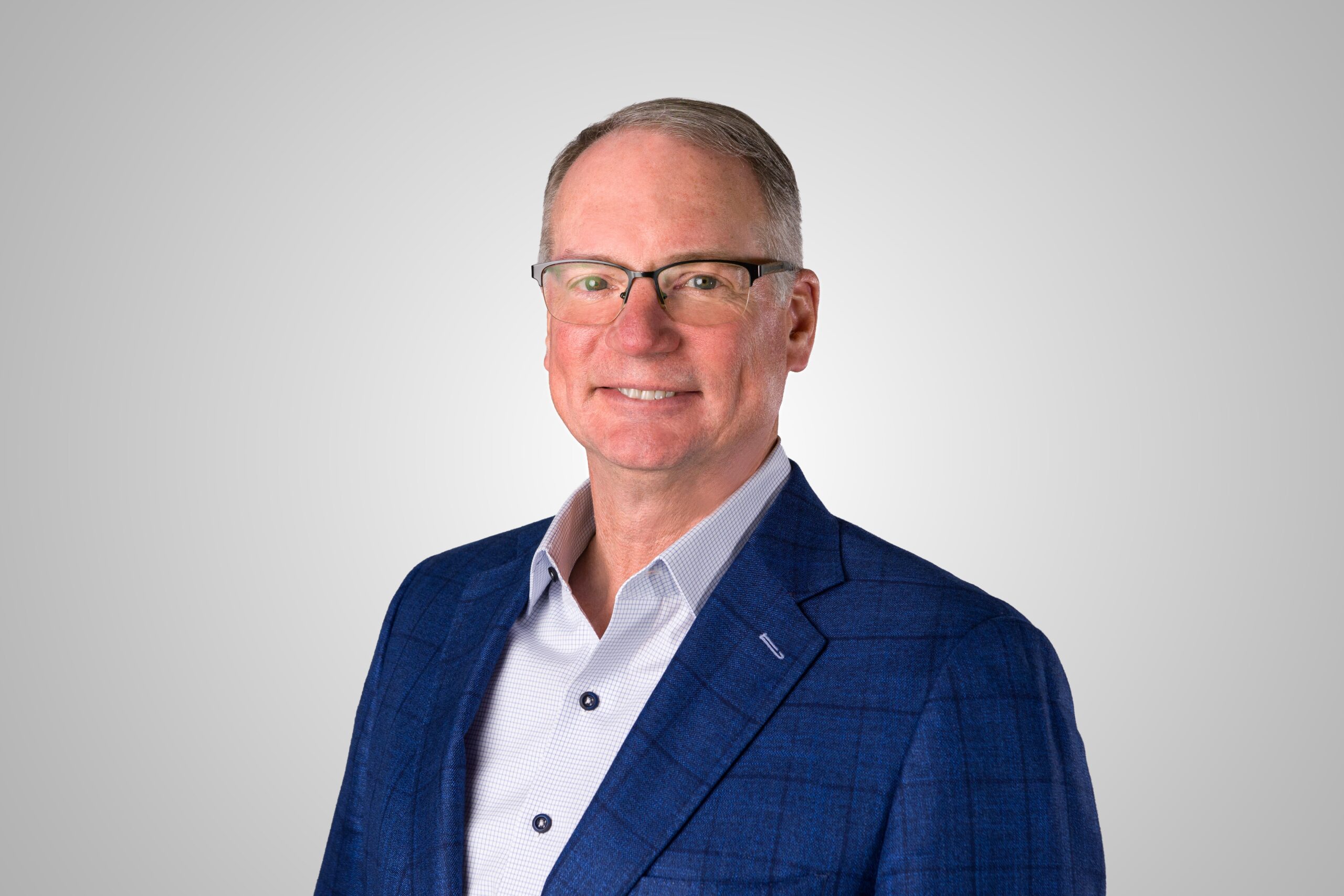
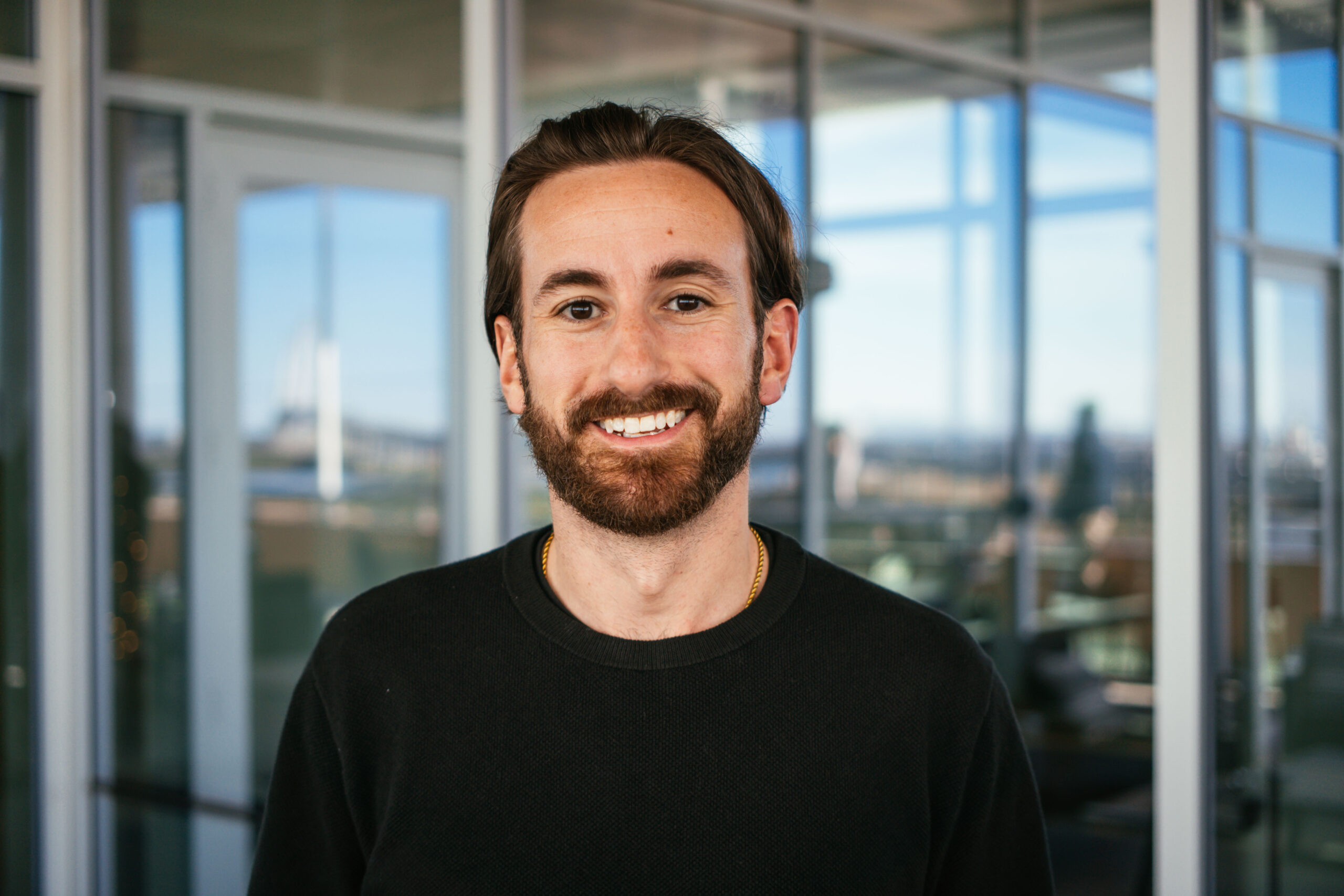
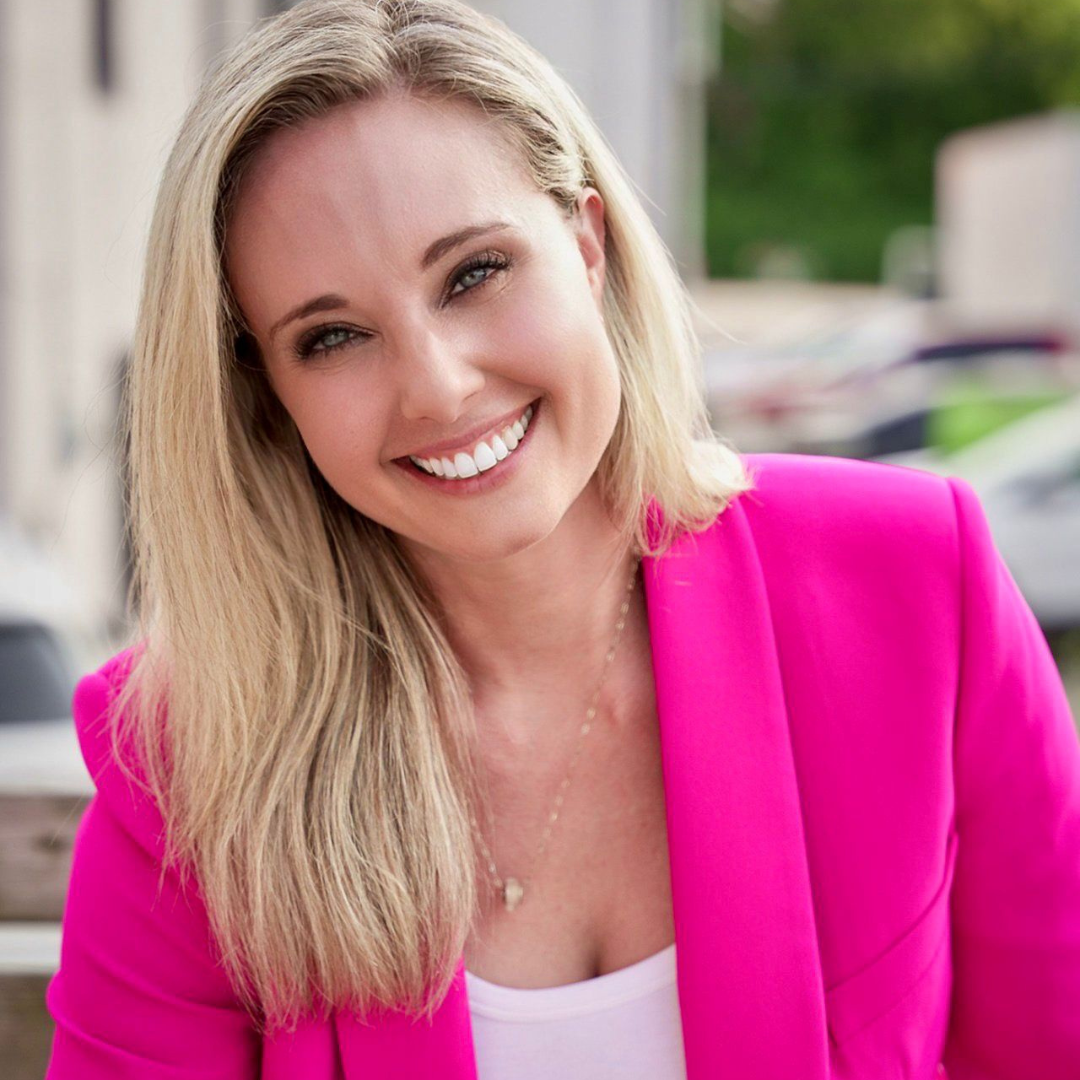
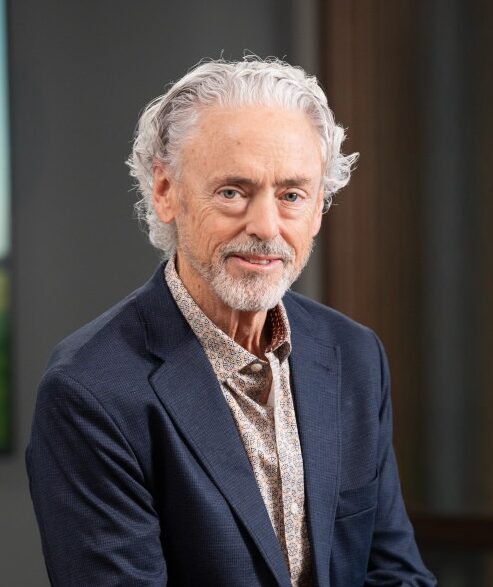
Introductions to our Blended panelists. Sharon – Supplier Diversity Director at Radian Cathy – Vice President of Women’s Leadership and Diversity, Equity, and Inclusion at American Bankers Association Ted – Principal at Firmament David – Assistant Vice President of Membership & Marketing at IANA Clarecia – Professor of International Business at Algonquin College of Applied Arts and Technology
The group discusses what microaggression means; the difference between microaggression, harassment, bullying, and discrimination; and the importance of allyship. Assumptions and cultural norms Overstepping boundaries Poor leadership Insecurity Subconscious or unconscious bias Intent Imposter syndrome Two-sided conversations Building relationships Keeping people small Perceptions and mistruths that are built into our cultures Unlearning lessons Building resilience Allyship Speaking up Education What you wear/how you look “It’s over-stepping that personal boundary… it’s more societal macroaggression because we all come with our own dialogues that we project out.” David “It’s a subtle, sometimes almost subconscious, reaction.” Ted
The panel reflects on what microaggressions can look like; making underrepresented communities responsible for change; and whether a lack of diversity in workplaces is in itself a microaggression. Verbal and non-verbal Whispering, yawning and eye-rolling Micro-invalidation, micro-assault, micro-insult Creating inclusive ecosystems Awareness Empathy Making people feel comfortable with their bias Responsibility for creating change Ignorance
The group discussed ideas and solutions for tackling microaggression and creating more inclusive, supportive workplaces. How workplaces are shifting Bringing your authentic self to work Communicating what you need Normalizing difference HR and ongoing learning Changing the way we have conversations Confusing microaggression for a compliment, eg. you sound great, for someone that comes from x; you look great, for your age Self-awareness “No offense, but….” Open-mindedness Learning from mistakes Honesty Be curious, not judgemental Listen Create safe spaces “Let’s change the way we have conversations so we’re getting to know the individual.” Cathy
The group summed up their thoughts from today’s discussion.
Resources & Links Mentioned
- You can connect with Sharon, David, Clarecia, Ted, and Cathy over on LinkedIn.
- If you want to hear more from Sharon, listen to 344: Women In Supply Chain™, Sharon Manker. For other inspirational conversations around diversity, equity, and inclusion, why not check out 252: Blended – Hiding in Plain Sight: The Reality of Workplace Discrimination or 165: Blended – The Gender Equation.
- Check out our other podcasts HERE.